

This work by New American History is licensed under a Attribution-NonCommercial-ShareAlike 4.0 (CC BY-NC-SA 4.0) International License. Permissions beyond the scope of this license may be available at newamericanhistory.org.
Dearly Beloved: Art and Music as Resistance
View Student Version
Standards
Common Core:CCSS.ELA-LITERACY.RH.6-8.7 Integrate visual information (e.g., in charts, graphs, photographs, videos, or maps) with other information in print and digital texts.CCSS.ELA-LITERACY.RH.9-12.7 Integrate and evaluate visual and technical information (e.g., in research data, charts, graphs, photographs, videos, or maps) with other information in print and digital texts.
C3 Framework: D2.His.1.6-8 Analyze connections among events and developments in broader historical contexts.D2.His.2.6-8 Classify series of historical events and developments as examples of change and/or continuity.D2.His.5.6-8 Explain how and why perspectives of people have changed over time. D2.His.5.9-12 Analyze how historical contexts shaped and continue to shape people’s perspectives.D2.Eco.1.6-8 Explain how economic decisions affect the well-being of individuals, businesses, and society. D2.Eco.1.9-12 Analyze how incentives influence choices that may result in policies with a range of costs and benefits for different groups.D2.Civ.10.6-8. Explain the relevance of personal interests and perspectives, civic virtues, and democratic principles when people address issues and problems in government and civil society.
National Council for Social Studies:Theme 1: Culture
National Geography Standards: Standard 6: How culture and experience influence people’s perceptions of places and regions.
EAD Framework:PRIMARY THEME: Civic ParticipationKey ConceptsAnalyze leadership through past and present examples of change-makersAnalyze strategies and examples of civic participation, including instances of participation by those without full political rightsEngage as active community members and examine the tensions between personal interests and civic responsibilitiesBuild civic friendship through informed civil dialogue and productive disagreementAnalyze the past and present role of the media in shaping civic participation, including the importance of using credible sources
RELATED DRIVING QUESTIONS:HDQ1.3B - What forms does civic participation take? Who has access to different forms of participation, and how has that access changed over time?CSGQ1.3F - When and how should we express dissent? participate in protest?SECONDARY THEME: Institutional & Social Transformation Key ConceptsExplore the extent to which the U.S. has made progress in expanding rights and legal statuses for various groups over time, including changes to the Constitution and other chartersExamine the historic and current relationships between formal politics and social movements, including the relationships between political, economic, and civil rightsEvaluate specific moments of change as examples of refounding the United StatesExplore formal and informal revisions to America’s constitutional system, and the sources of such changes
RELATED DRIVING QUESTIONS:CSGQ5.3B - What is the role of protests and social movements in bringing change?CSGQ5.3F - How can we learn to have productive discussions about controversial issues that have existential stakes for some participants?CSGQ5.3H - What definitions of liberty or equality—political, economic, or civil—play a role in public debates in the United States?CSGQ5.3I - How is power analyzed and challenged?
C3 Framework: D2.His.1.6-8 Analyze connections among events and developments in broader historical contexts.D2.His.2.6-8 Classify series of historical events and developments as examples of change and/or continuity.D2.His.5.6-8 Explain how and why perspectives of people have changed over time. D2.His.5.9-12 Analyze how historical contexts shaped and continue to shape people’s perspectives.D2.Eco.1.6-8 Explain how economic decisions affect the well-being of individuals, businesses, and society. D2.Eco.1.9-12 Analyze how incentives influence choices that may result in policies with a range of costs and benefits for different groups.D2.Civ.10.6-8. Explain the relevance of personal interests and perspectives, civic virtues, and democratic principles when people address issues and problems in government and civil society.
National Council for Social Studies:Theme 1: Culture
National Geography Standards: Standard 6: How culture and experience influence people’s perceptions of places and regions.
EAD Framework:PRIMARY THEME: Civic ParticipationKey ConceptsAnalyze leadership through past and present examples of change-makersAnalyze strategies and examples of civic participation, including instances of participation by those without full political rightsEngage as active community members and examine the tensions between personal interests and civic responsibilitiesBuild civic friendship through informed civil dialogue and productive disagreementAnalyze the past and present role of the media in shaping civic participation, including the importance of using credible sources
RELATED DRIVING QUESTIONS:HDQ1.3B - What forms does civic participation take? Who has access to different forms of participation, and how has that access changed over time?CSGQ1.3F - When and how should we express dissent? participate in protest?SECONDARY THEME: Institutional & Social Transformation Key ConceptsExplore the extent to which the U.S. has made progress in expanding rights and legal statuses for various groups over time, including changes to the Constitution and other chartersExamine the historic and current relationships between formal politics and social movements, including the relationships between political, economic, and civil rightsEvaluate specific moments of change as examples of refounding the United StatesExplore formal and informal revisions to America’s constitutional system, and the sources of such changes
RELATED DRIVING QUESTIONS:CSGQ5.3B - What is the role of protests and social movements in bringing change?CSGQ5.3F - How can we learn to have productive discussions about controversial issues that have existential stakes for some participants?CSGQ5.3H - What definitions of liberty or equality—political, economic, or civil—play a role in public debates in the United States?CSGQ5.3I - How is power analyzed and challenged?
Teacher Tip: Think about what students should be able to KNOW, UNDERSTAND, and DO at the conclusion of this learning experience. A brief exit pass or other formative assessment may be used to assess student understandings. Setting specific learning targets for the appropriate grade level and content area will increase student success.
Suggested Grade Levels: middle school (6-8), high school (9-12)
Suggested Timeframe: 45 minutes
Suggested Materials: Internet access via laptop, tablet, or mobile device
Key Vocabulary
Accountability – being held responsible for actions
Bias – a one-sided preference for or against a person, group, or idea. It occurs when someone allows their personal feelings or past experiences to influence their judgment, making them unable to consider all aspects of a situation. All humans naturally have some bias.
Civil Rights – freedoms and protections guaranteed to citizens
Collective Action – people working together for a shared goal
Emphasis – what the artist wants the viewer to notice most
Injustice – unfair treatment of people or groups
Juxtaposition – placing images or ideas side by side to create contrast
Marginalized – pushed to the edges of society or denied power
Perspective – whose point of view is being shown
Popcorn Style – a dynamic method of sharing, in which participants speak voluntarily when they are moved to do so, rather than following a strict, prearranged order
Protest – public action to express opposition or demand change
Resistance – actions taken to challenge injustice
Solidarity – standing together in support of others
Stereotype – an oversimplified idea about people
Symbolism – using images or objects to represent bigger ideas
Systemic – built into laws, policies, or institutions
Text-to-Image Relationship – how words and visuals work together to communicate meaning
Tone – the feeling or mood created by colors, words, or images
Read for Understanding
Teacher Tips:
New American History Learning Resources may be adapted to a variety of educational settings, including remote learning environments, face-to-face instruction, and blended learning. They follow a variation of the 5Es instructional model, and each section may be taught as a separate learning experience or as part of a sequence of learning experiences. We provide each of our Learning Resources in multiple formats, including web-based and as an editable Google Doc for educators to teach and adapt selected learning experiences as they best suit the needs of your students and local curriculum. You may also wish to embed or remix them into a playlist for students working remotely or independently.
If you are teaching remotely, consider using videoconferencing to provide opportunities for students to work in partners or small groups. Digital tools such as Google Docs or Google Slides may also be used for collaboration. Rewordify helps make a complex text more accessible for those reading at a lower Lexile level while still providing a greater depth of knowledge.
Teachers of Multilingual Learners may find that using sentence frames can help ELLs by providing a structured framework that can support them when expressing their ideas in complete sentences, whether they are speaking or writing. It serves as a scaffold for ELLs who struggle with grammar and/or vocabulary while promoting the use of academic language.
The S-I-T: Surprising, Interesting, Troubling protocol allows students to make their thinking visible using a structured table that can help them categorize their thoughts in a clear and precise manner. It also allows students to demonstrate their engagement with the text, as they note their reactions to various parts of the comic. A template is provided for you to modify as needed, for students to make a digital copy, or to print paper copies for your students as needed.
Exit tickets allow students to reflect on their learning and enhance their communication skills. Exit tickets and graphic organizers allow students to reflect on their learning and enhance their communication skills. The Engage, Explore, Explain, and Elaborate sections of this learning resource include graphic organizers/exit tickets that use See-Think-Wonder, Sketchnotes, S-I-T Strategy, plus Restorative Practices and Reciprocal Teaching Discussion Protocol for further engagement. Templates are linked within the lesson for you to modify, for students to copy, or to print paper copies for your students as needed.
Building on our earlier exploration of artists as historians in Kendrick Knows, this learning resource extends that work through visual storytelling in Dearly Beloved. Our colleagues at Graphic History Co. offer a powerful two-page comic explainer that supports educators in unpacking complex history through art. The accompanying comic panel analysis document, graphic organizer, and slide are designed to be used together: the document can be printed to allow students to closely annotate and analyze the panels, while the slide supports whole-class viewing, discussion, and guided analysis. Together, these materials help scaffold learning, center historical context, and engage students thoughtfully with the themes presented.
For the Elaborate section, to support students in adding meaningful voices to their visual remixes, you can suggest a few individuals they might research. These can include community leaders, artists, activists, or local figures who have lost their lives at the hands of the U.S. Immigration and Customs Enforcement. Some examples to consider sharing with students are: Alex Pretti, Renee Nicole Good, Keith Porter, Parady La, Heber Sanchaz Domínguez, Victor Manuel Diaz, Luis Beltran Yanez-Cruz, Luis Gustavo Nunez Caceres, and Geraldo Lunas Campos. Encourage students to explore these people’s stories and legacies, and to think about how these voices could expand or deepen the narrative in the comic panels. Keep in mind that this is not an exhaustive list — students may also identify other individuals whose perspectives they feel are important to include.
For the Extend section, students will also use Bunk excerpts. It might be useful to allow students time to explore and familiarize themselves with the website before the lesson, so they may gain a better understanding of the information provided.
Teacher Framing on Civic Responsibility and Human Rights:
This learning resource is grounded in constitutional principles and human rights, not partisan politics. Students examine documented actions and their impacts—particularly when the use of government authority results in loss of life or the erosion of civil liberties — through a historical and civic lens. Drawing on precedents such as Jim Crow enforcement and Japanese American incarceration, the lesson underscores that actions carried out by the state still require ethical and constitutional scrutiny - “doing one’s job” has never exempted systems from accountability in a democracy. The goal is not persuasion, but civic understanding: helping students recognize when constitutional values are tested and why such moments are an alarming deviation from the rule of law.
This resource asks students to critically examine events in Minneapolis and across the nation - where racial violence, government authority, and the loss of life intersect - highlighting questions of constitutional limits and civic responsibility. These topics may be deeply personal, painful, or triggering for students, particularly those from communities directly impacted by systemic injustice and police violence. As educators, it is essential to approach this material with empathy, care, and intentionality — creating space for reflection, emotion, and respectful dialogue rather than debate. Consider setting clear community norms, offering students choice in how they engage, and acknowledging the real human lives behind the images and histories discussed. You might choose to have students write their concerns about what is happening in the world on index cards anonymously and then share with the class, to foster community by sharing mutual concerns. Teaching this content requires gravitas: an understanding that these are not abstract issues, but ongoing realities that shape our students’ sense of safety, justice, and belonging.
Read for Understanding (for students)
The comic panels in this learning resource connect to recent events in Minneapolis, Minnesota, a city where people have gathered to respond to issues of justice, safety, and civil rights. In 2020, the death of George Floyd during a police arrest led to large protests in Minneapolis and across the world, calling for accountability and change. Since then, the city has continued to see demonstrations, including more recent protests related to immigration enforcement and the treatment of immigrant communities. Artists often respond to moments like these by using images, music, and symbols to express emotions, remember lives, and help people understand what communities are experiencing during times of conflict and change.
Engage:
How can art and music help people respond to injustice and remember important moments in history?
The person shown in this first panel is Prince, a famous musician from Minneapolis, Minnesota. He was known around the world for his music, style, and creativity. Prince often used his music to talk about love, freedom, and standing up for yourself. After his death in 2016, many people in Minneapolis and beyond continued to use his songs and image during times of protest and remembrance. For many, Prince has become a symbol of how art and music can bring people together and help express emotions during moments of struggle or change.
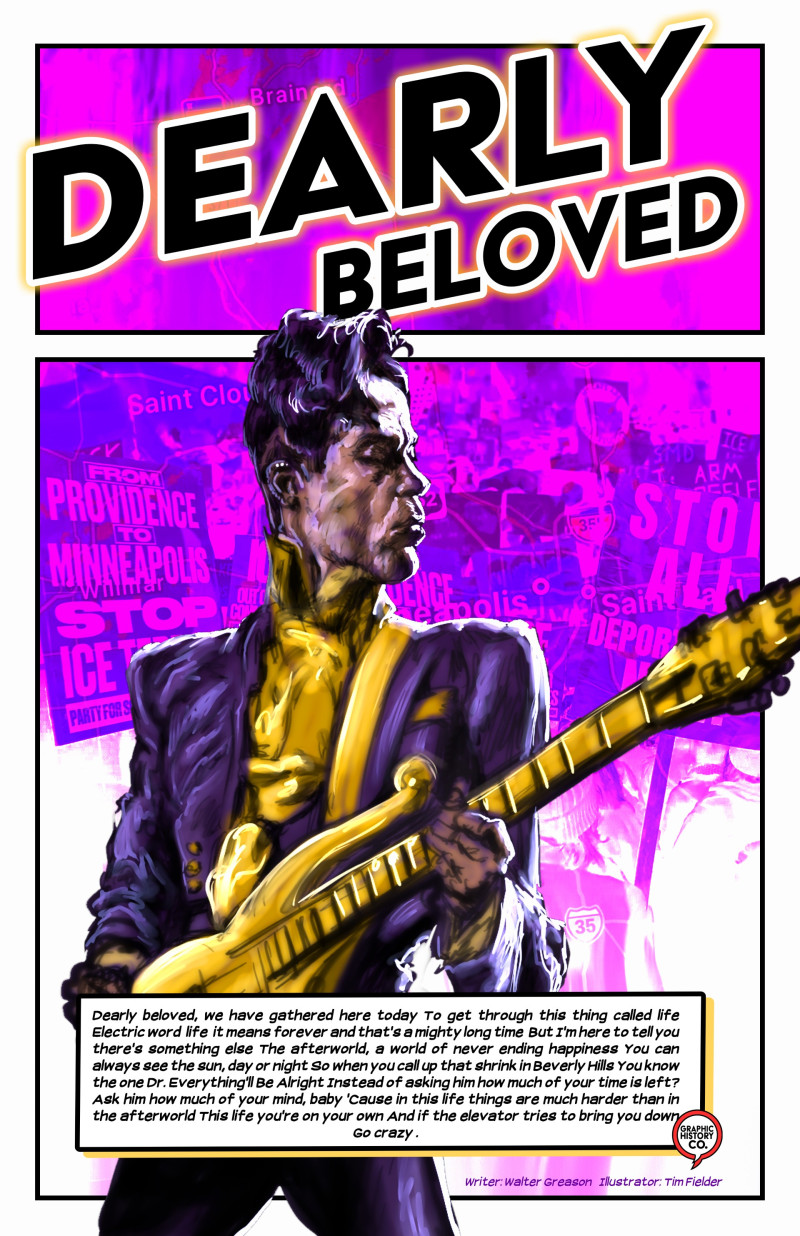
Directions: See - Think - Wonder. Use this protocol and this graphic organizer to record your ideas about the image, share your thoughts with a partner(s), and write them down.
SEE: What do you see? Describe details without interpreting them.
THINK: What do you think is happening here? What clues help you make that inference?
WONDER: What questions does this image raise for you? Why do you think Prince’s image is connected to events in Minneapolis?
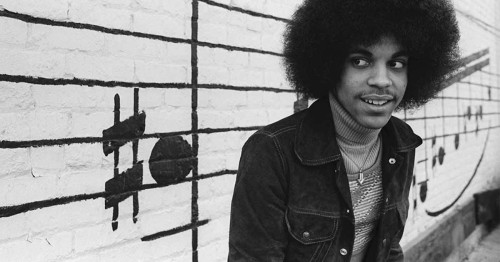
After looking at the first panel, you’ll also explore Prince’s connection to Minneapolis by visiting Becoming Prince, a website that highlights the places, stories, and history behind the city that shaped him. Minneapolis wasn’t just where Prince was born — it helped shape his sound and identity, and he, in turn, helped put the city on the global map through his music and cultural influence. Throughout this lesson, think about how a person’s roots can influence both their art and how communities use this legacy to remember and respond to moments of injustice.
Becoming PrincePrince's Early Years
Explore Minneapolis, Minnesota, a city with a rich and surprisingly complex history that would shape the young artist in significant ways.
becoming.prince.com
Optional Activity: Bruce Springsteen and “Streets of Minneapolis”
Bruce Springsteen is a famous American musician known for writing songs about people’s lives, concerns, and hopes. On January 28, 2026, he released a new song called “Streets of Minneapolis” in response to recent events in Minneapolis, Minnesota, including public protests and the deaths of community members. The song was written and released quickly to draw attention to what he described as challenges facing people in that city, and it includes words and sounds meant to honor those experiences and make listeners think about what’s happening there. This song shows how music and art can be used as a way to speak up, express ideas about justice, and draw attention to events that matter to communities.
Reflection Question (Option 1):After listening to the song, how does Bruce Springsteen use music to respond to events in Minneapolis, and how is that similar to or different from how Prince’s image responds to those events?
Sentence frame:
Sentence frame:
Sentence frame:
Sentence frame:
- “Bruce Springsteen uses music to ___, while Prince’s image shows ___.”
Sentence frame:
- “This song made me think about…”
Sentence frame:
- “This song shows music can be used to…”
Your teacher may ask you to record your answers on an exit ticket.
Explore:
What can images reveal about how individual lives, communities, and systems are connected during times of injustice?
The images in the second panel of the comic you are about to examine include real people, locations, and messages connected to events that occurred between July 2016 and early January 2026 in Minneapolis, Minnesota. It shows how individual lives, public spaces, and community responses are connected during times of conflict and change. Some of the names and images represent people who died during encounters with law enforcement, while others reflect how communities responded through protest, remembrance, and calls for justice. This image invites you to look closely at how history, current events, and public memory are connected.
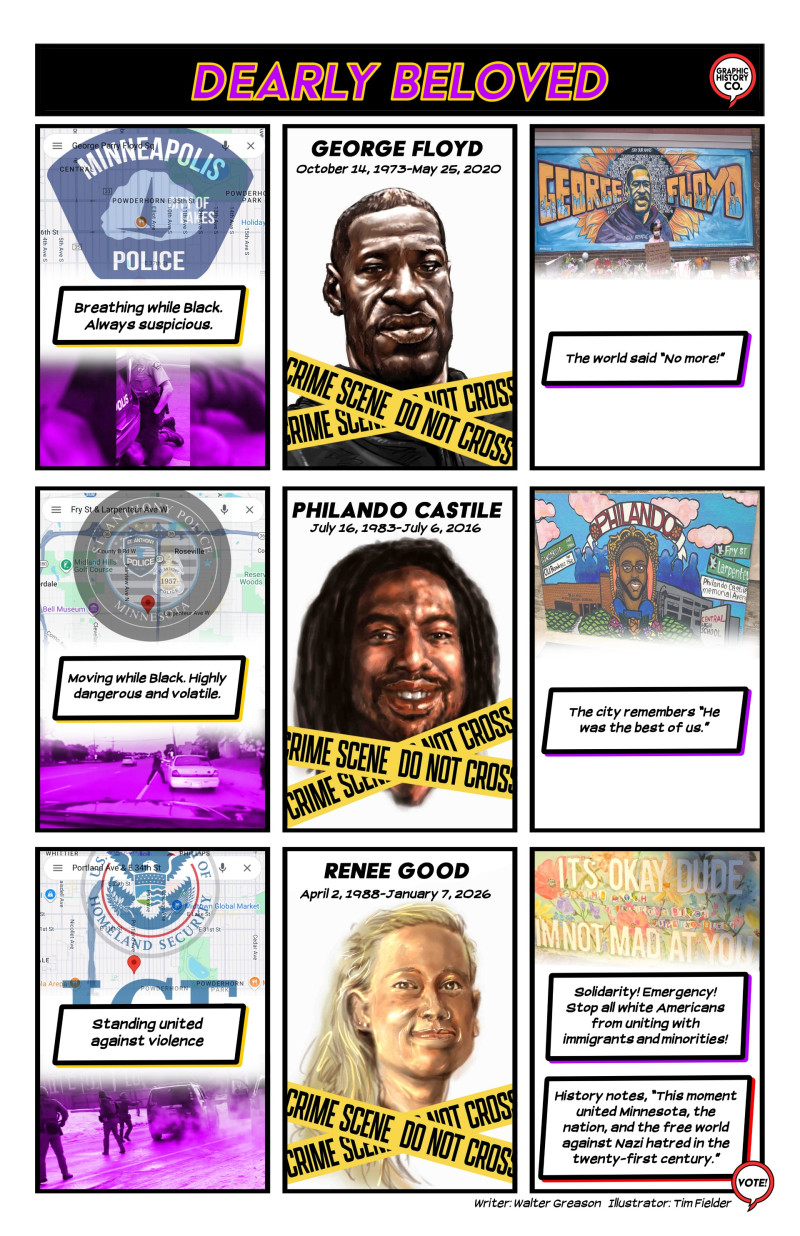
You will use the S-I-T Strategy to help you think deeply about the images on the comic panel.
Directions1) Look closely at the comic panel. Take your time and notice details, including faces, words, colors, and locations.
2) On your paper or organizer, write:- One thing you find Surprising
- One thing you find Interesting
- One thing you find Troubling
4) Be prepared to share one of your responses with a partner or small group.
Sentence Starters
- “One thing that surprised me was…”
- “One detail I found interesting was…”
- “One part of the image that I found troubling was…”
- Which category—Surprising, Interesting, or Troubling—was easiest to fill? Why?
- What patterns do you notice across the image?
- How might this image help us understand current events beyond just one person or moment?
Additional Readings:
You may be further informed by reading some excerpts from Bunk that connect to the themes in Prince's song, Let's Go Crazy, which begins with the line "Dearly Beloved...". These readings provide historical and contemporary context about the people of Minneapolis and the challenges they have faced. For example, “Mavis Staples on Prince, Trump, and Black Lives Matter” explores how artists like Prince and Mavis Staples have responded to social and racial injustice. We have created a Bunk Collection including this and a selection of very recent pieces written about events in 2026. These articles help provide context and insight into how communities - especially Minneapolis - have organized, resisted, and responded to systemic oppression over time. Together, these readings can help you make connections between the experiences depicted in the comic, local history, and larger movements for social justice. You are welcome to explore further connections within Bunk and choose other excerpts of interest, while using the S-I-T Strategy and graphic organizer to jot down notes as you read.
Your teacher may ask you to record your answers on an exit ticket.
Explain:
How do images help explain the way people respond to injustice through art, community action, and memory?
The two comic panels you examined show different but connected ways people respond to moments of injustice and change. One image uses art and music to express emotion, remembrance, and unity, while the other brings together many faces, names, and messages connected to community protest and public memory. When viewed together, the images help explain how personal expression, community action, and larger systems are connected. In this section, you will use discussion strategies to explain what these images reveal about justice, power, and change. You may also include information gathered from the Bunk excerpts you explored.
You will use the Reciprocal Teaching Protocol in small groups to discuss your understanding of these comic panels and excerpts, and how they are related to one another. You may use this graphic organizer/roles handout as you discuss this question with your group and take turns asking questions or switching roles.
Reciprocal Teaching is a group reading strategy where everyone takes on a role to help the group better understand a text, image, or short video. Each person within the group has a role:
- Questioner – Asks big or tricky questions about the text to spark discussion.
- Summarizer – Gives a quick recap of the most important ideas.
- Clarifier – Clears up confusing words, phrases, or sections.
- Connector – Makes connections between the text and real life, other readings, or personal experiences.
By working together and rotating roles, everyone builds a deeper understanding—and helps teach each other!
Choose Roles in Small Groups: Each of you will choose one of the following roles:
1) Questioner – Pose deep, open-ended questions to drive discussion:
- What message do you think the artists are trying to communicate through these images, and why might that message matter today?
- Why do you think the artists chose to use symbols, faces, and words instead of explaining everything directly?
- What questions do these images raise about justice, power, or whose stories are remembered?
2) Summarizer – Briefly identify the main ideas and key points:
- What is the main idea of each image, and what do they show when viewed together?
- Which details best support the message of the images (for example: faces, text, symbols, or colors)?
- How would you explain the meaning of these images to someone who has never seen them before?
3) Clarifier – Clear up confusion or difficult language:
- Which words, names, or symbols in the images are unclear, and what might they mean?
- What parts of the images might be confusing without background knowledge, and how can we make sense of them?
- How do the visuals help explain ideas that might be difficult to understand with words alone?
4) Connector – Link ideas from the source to personal experience, other texts, images or videos, or current events:
- How do these images connect to events we have learned about or seen in the news?
- Do these images remind you of other artwork, music, videos, or stories that respond to injustice or protest? How?
- How might these images connect to people’s experiences in different communities today?
- Rotate roles in later rounds so that you may each have the opportunity to try each one.
Rotate roles in later rounds so that you may each have the opportunity to try each one.
Whole-Class Reflection: After small-group discussions, come together to reflect:
- What patterns did you notice across both images?
- How did the images help you understand people’s experiences during moments of injustice or protest?
- What role do art, images, or music seem to play during times of conflict or change?
- How did hearing different perspectives during discussion change or deepen your thinking?
Sentence Frames:
- “One pattern I noticed was…”
- “The images show…”
- “The images helped me understand…”
- “One experience shown in the images is…”
- “Art and images are important because…”
- “These images show that art can…”
- “At first I thought…, but now I think…”
- “Listening to others helped me realize…”
Consider this question as a final reflection:
How do images, art, and community responses help us understand injustice and create meaning during important moments in American history?
Your teacher may ask you to record your answers on an exit ticket.
Elaborate:
How do you make your own voice count as a part of history in the making?
The images from the comic panels you studied show how art, people, and communities respond to moments of injustice and change. However, no image can show every story or perspective. In this activity, you will use this graphic organizer to add a voice by including a symbol, message, or detail that you think helps deepen the story being told. There is no single correct answer— your goal is to thoughtfully extend the meaning of the image using what you have learned and observed.
Activity: “Add a Voice” Visual Remix
You will add a missing voice, symbol, or message to the images you have analyzed to extend the story being told. Record your ideas on this graphic organizer, making a digital copy or a paper copy as provided by your teacher.
Materials
- Computers/laptops for research
- Paper or notebooks
- Markers or pencils
- Graphic Organizer
Directions:
1) Take a few minutes to search online for a person you feel should be included
2) Think about a voice, message, or perspective that is not fully shown.
3) Add one of the following:
- A symbol
- A short phrase or quote (real or imagined, but respectful)
- A face, object, or background detail
4) Write 2–3 sentences explaining:
- What you added
- Why it was it included
- How it connects to injustice, community, or change
Sentence frames
- “I added ___ because…”
- “This represents…”
- “This connects to what we learned because…”
Your teacher may ask you to record your answers on an exit ticket.
Extend:
How do powerful images shape public awareness and influence social change?
In Dearly Beloved, we see how Prince and his music reflected themes of love, community, and cultural identity—evoking emotional and social connections. Similarly, this Bunk History excerpt highlights how specific moments of moral witness—such as civil rights strategies from Birmingham and modern protest imagery—can draw public attention to injustice and spark broader movements for change. Both the visuals in the song’s culture and the historic moments described in the excerpt show how symbols, images, and moments can inspire people to recognize issues and ask deeper questions about society.
Read this Bunk excerpt, “Minnesota Had Its Birmingham Moment,” and ask yourself this important question:
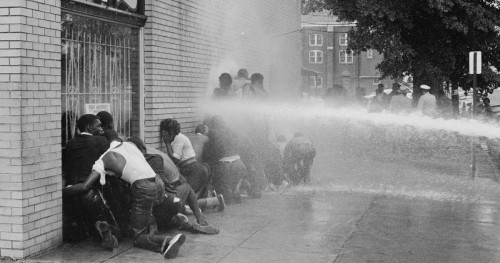
Minnesota Had Its Birmingham Moment
In 1963, Martin Luther King Jr. outlined a strategy to expose official brutality. Anti-ICE protesters are following it—and it’s working.
www.bunkhistory.org
In what ways can a single image or moment influence people’s understanding of history and inspire collective action for justice?
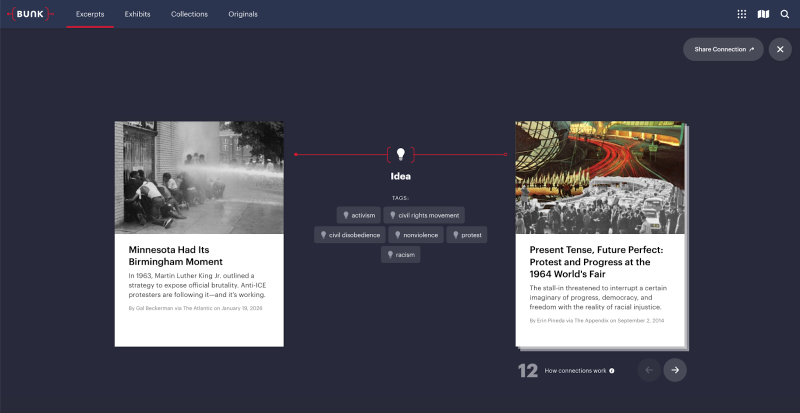
Select the “View Connections” button to explore more excerpts as connected in Bunk. You may choose different icons as you explore. Note the associated tags that connect each excerpt to another. Explore one or more tags.
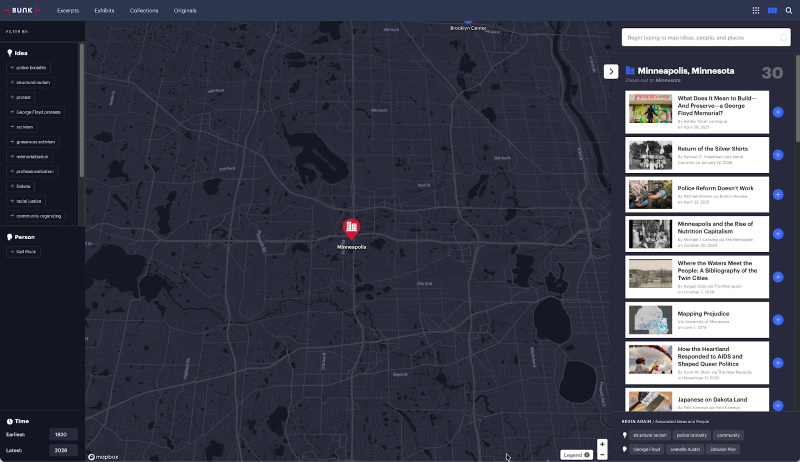
You may also explore Bunk spatially using Bunk Places. What connections might you see more clearly if you search for more information about Minneapolis, Minnesota, in Bunk?
Consider and discuss the following questions with a partner:
- What does the author mean by a “moment of moral witness,” and how was Martin Luther King Jr. involved in creating one in Birmingham?
- According to the excerpt, why do activists today still use powerful images and recordings in protests?
- How might the ideas in this excerpt connect to the themes in the lyrics in Prince’s song, Let’s Go Crazy?
- What role do you think public perception plays in shaping justice movements, based on both the excerpt and the music/visuals you’ve studied?
Optional Debrief Activities:
Before We Close
Today’s learning asked us to look closely at real stories of injustice, loss, and community response. That kind of work can bring up strong feelings — and that’s okay. Learning history isn’t just about facts; it’s also about how we take care of ourselves and one another as we try to understand the world.
Before we leave, we’re going to take a few minutes to pause, reflect, and reconnect. The next activity gives you different ways to process what we’ve learned — quietly, creatively, or together as a community. There is no right or wrong way to participate. Choose the option that feels most supportive for you right now.
Option 1: “What We Carry Forward” (Quiet, Reflective Closure)
Purpose: This activity can shift you from heaviness to meaning and personal agency.
Directions: Today, we looked at difficult histories and real losses. Before we leave, take a moment to think about what you want to carry forward from this lesson — not the pain, but the understanding, care, or responsibility it created.
Prompt (you may respond in writing or on a sticky note):
- One idea I’m thinking differently about now is…
- One feeling I want to acknowledge before leaving today is…
- One value I want to carry forward (care, courage, empathy, awareness) is…
You may choose to:
- Keep this private
- Place it anonymously in a “Carry Forward” box
- Or share one line voluntarily
Option 2: “Care in Action” Circle (Collective, Hope-Centered)
Purpose: This activity re-centers our community and can remind you that you are not alone.
Directions: Talking about injustice can feel heavy, but history also shows us people caring for one another, organizing, creating art, and refusing to look away. Let’s end by naming small ways care shows up.
Circle prompt (popcorn style or pass allowed):
- “One way people showed care or resistance in what we studied was…”
- OR: “One way people today can support their communities is…”
Option 3: “Joy, Resistance, and Rest” (Creative + Regulating)
Purpose: This activity encourages us to reclaim joy and rest as forms of resistance — especially powerful after discussing violence.
Directions: Justice work doesn’t only live in protest. It also lives in joy, rest, music, laughter, and community. Choose one of the following and respond briefly:
Choice Board:
- Write down a song, artist, or image that helps you feel grounded or hopeful.
- Sketch a symbol that represents healing or resilience.
- Write one sentence beginning with: “Even in hard times, people still…”
Your teacher may ask you to record your answers on an exit ticket.
Citations:
Beckerman, Gal. “Minnesota Had Its Birmingham Moment.” Bunk. January 19, 2026. https://www.bunkhistory.org/resources/minnesota-had-its-birmingham-moment Accessed January 25, 2026.
Becoming Prince, The Prince Estate, https://becoming.prince.com/ accessed January 26, 2026.
Facing History & Ourselves. “See, Think, Wonder.” Last modified July 28, 2020. https://www.facinghistory.org/resource-library/see-think-wonder Accessed January 25, 2026.
Greason, Walter, and Fielder, Tim. “Guest Post: Walter Greason & Tim Fielder’s New Comic Dearly Beloved.” Black and White and Read All Over, January 16, 2026. https://www.blackwhiteandread.com/guest-post-walter-greason-tim-fielders-new-comic-dearly-beloved/ Accessed January 26, 2026.
Greason, Walter, and Fielder, Tim. Graphic History Company. “Dearly Beloved.” https://www.graphichistorycompany.com/dearlybeloved Accessed January 27, 2026.
Hinton, Elizabeth. 2020. “The Minneapolis Uprising in Context.” Bunk, May 29, 2020. https://www.bunkhistory.org/resources/the-minneapolis-uprising-in-context Accessed January 26, 2026.
Keller, Keeley, “10 Reasons You Should Use Sentence Frames In Your Classroom.” TeachingChannel.com. September 9, 2022. https://www.teachingchannel.com/k12-hub/blog/10-reasons-you-should-use-sentence-frames-in-your-classroom/#:~:text=1) Accessed March 23, 2025.
Kennedy, Mark. “Bruce Springsteen sings out against Trump in ‘Streets of Minneapolis’”. Associated Press News. January 28, 2026. https://apnews.com/article/bruce-springsteen-song-minneapolis-2f4232553bef164d02b1474627dd3b5f Accessed January 29, 2026.
Politzer, Ben, "Reciprocal Teaching," Reading Rockets, last modified April 25, 2019. https://www.readingrockets.org/strategies/reciprocal_teaching. Accessed June 8, 2025.
“S-I-T: Surprising, Interesting, Troubling.” Facing History & Ourselves. https://www.facinghistory.org/resource-library/s-i-t-surprising-interesting-troubling Accessed June 17, 2024.
Springsteen, Bruce. “Streets of Minneapolis”. YouTube, January 28, 2026. https://www.youtube.com/watch?v=wWKSoxG1K7w Accessed January 29, 2026.
Staples, Mavis, and Elon Green. 2017. “Mavis Staples on Prince, Trump, Black Lives Matter, and Her Exercise Regimen.” Bunk, September 11, 2017. https://www.bunkhistory.org/resources/mavis-staples-on-prince-trump-black-lives-matter-and-her-exercise-regimen Accessed January 26, 2026.
The Teacher Toolkit, “Exit Ticket.” https://www.theteachertoolkit.com/index.php/tool/exit-ticket Accessed March 23, 2025.
Ziobro, Melissa. 'Curatorial Corner – Chimes of Freedom: From “Yankee Doodle” to “The Ballad of the Green Berets” to “Streets of Minneapolis”.' Bruce Springsteen Center for American Music. January 29, 2026. https://springsteencenter.org/curatorial-corner-chimes-of-freedom-from-yankee-doodle-to-the-ballad-of-the-green-berets-to-streets-of-minneapolis/ Accessed January 29, 2026.
View this Learning Resource as a Google Doc