

This work by New American History is licensed under a Attribution-NonCommercial-ShareAlike 4.0 (CC BY-NC-SA 4.0) International License. Permissions beyond the scope of this license may be available at newamericanhistory.org.
this is a map
Poem by Eve Ewing
this is a map
Samuel Bass, on account of the street-car strike, was walking the five and one-half miles from his work to his home when a gang of white men knocked him down three times, and cut gashes in his nose and cheeks with their shoes. Bass hid behind freight cars till a Jewish peddler took him in his cart to State Street. A doctor was visited, but when he learned that Bass had no money, he turned him away without treatment. (659)
this is a map of my city
here are the places in my city where I dare not go
here is where the electric wires gave out and here
is where I still had to make it home,
and here is the first mile, where I whistled
the way my granny taught me, to keep away the haints
and here is where a baby waved to me from a window
and here is the second mile, where I heard the calls,
and on this map there is no third mile
in this, my city, where I first prayed to die,
and then, hearing a single cardinal over the din of their threats,
changed my mind, and prayed to live,
and this is a map of my neighbor’s city
where he traces a way through the mud each day,
the squeal of old wood on iron heralding his arrival,
a king of the streets, a conquering hero of nowhere, and
this is a map of my body
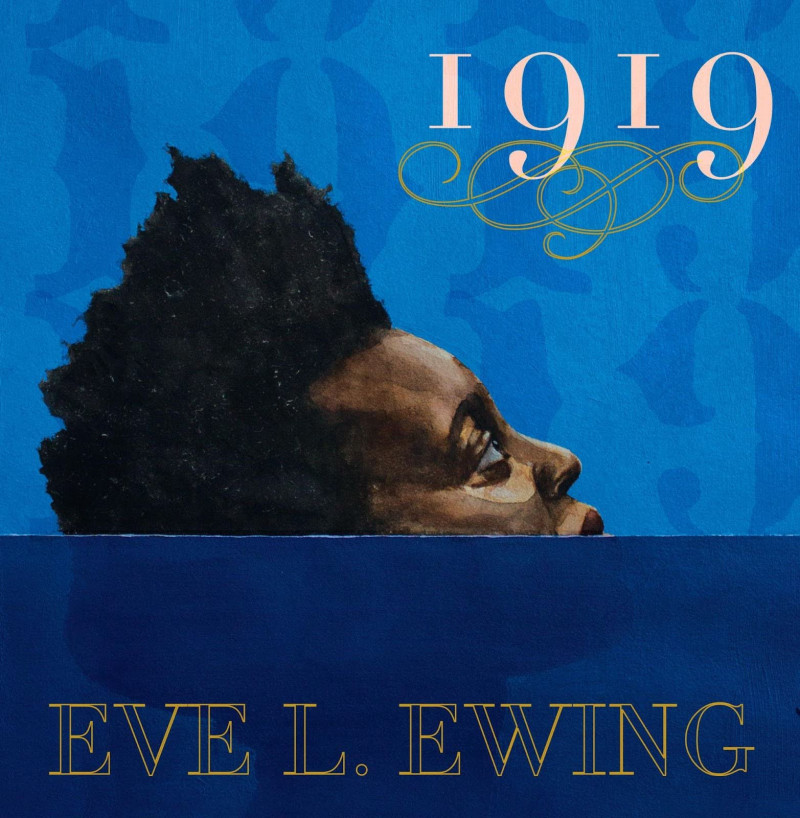
"this is a map” (c) 2019 Eve L. Ewing. From Eve L. Ewing, 1919 (Chicago: Haymarket Books, 2019), pp. 43–44. Used by permission from the author and Haymarket Books. Book link: https://www.haymarketbooks.org/books/1295-1919.