

This work by New American History is licensed under a Attribution-NonCommercial-ShareAlike 4.0 (CC BY-NC-SA 4.0) International License. Permissions beyond the scope of this license may be available at newamericanhistory.org.
American Visions
A Companion site to Learning Resources for teaching with American Visions: the United States, 1800-1860 by Ed Ayers
View American Visions site
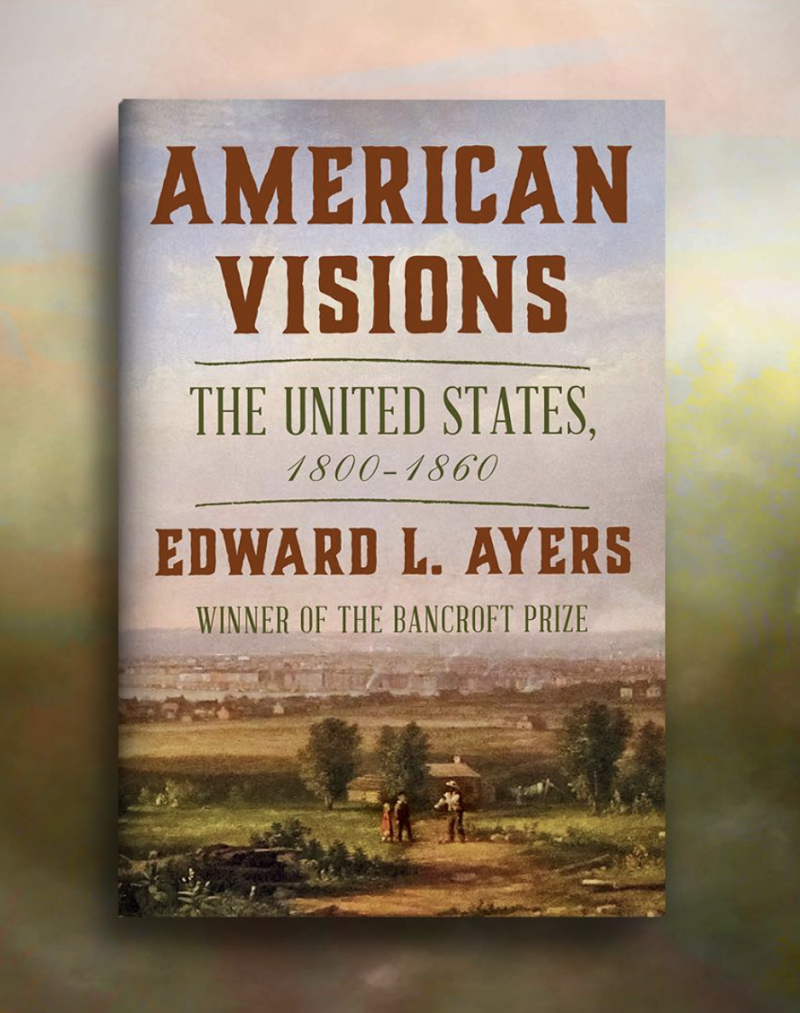
Learning Resources for teaching with the text, American Visions: The United States, 1800-1860, the StoryMap, and videos will continue to be added here. You may also search for them using the keyword search on our Learning Resources Library.
In addition to using these resources, you may follow the Travelogue series as mapped on Bunk Places.
View our American Visions companion site to access all primary sources, videos and more!
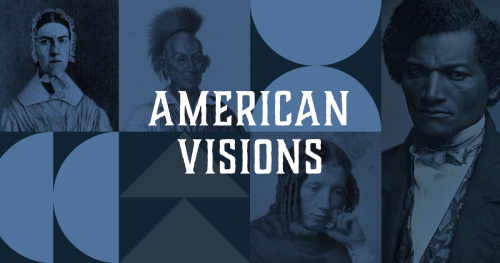
American Visions
Explore short films and original sources that bring to life the profound voices of America’s past visionaries, as highlighted in the book by Edward L. Ayers.
visions.newamericanhistory.org
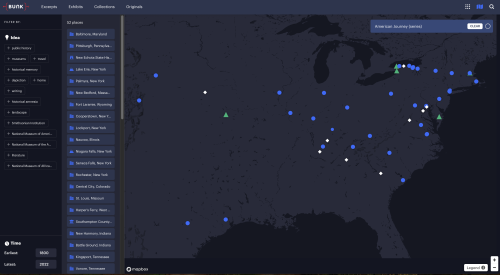
American Journey Travelogue Series Mapped on Bunk Places
Rewiring American History
www.bunkhistory.org
Visit our learning resources library for more inquiry-based learning resources for teaching using American Visions.
American Visions: Exploring Primary and Secondary Sources
The sixty years between 1800 and 1860 saw the politics, religion, language, literature, art, population, and economy of the young United States change with remarkable speed, forever shaping American history. You will explore primary and secondary sources using a variety of digital humanities tools and resources to gain a better understanding of 19th-century America.
resources.newamericanhistory.org
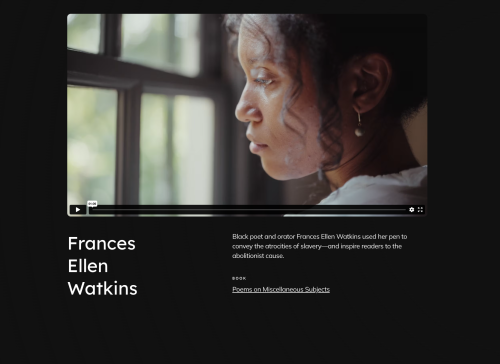
Bury Me in a Free Land
Black poet and orator Frances Ellen Watkins (Harper) used her pen to convey the atrocities of slavery—and inspire readers to the abolitionist cause. In this learning resource, you will explore these themes through her poem, Bury Me in a Free Land.
resources.newamericanhistory.org
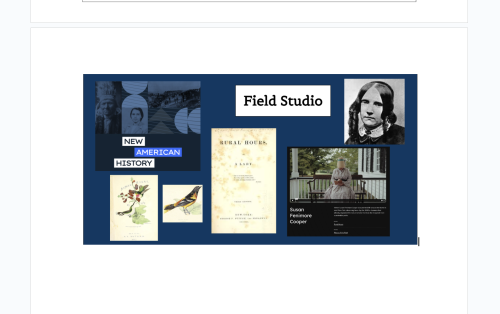
Susan Fenimore Cooper - Rural Hours
Read about this 19th c. environmental activist who inspired Emerson and Thoreau.
resources.newamericanhistory.org
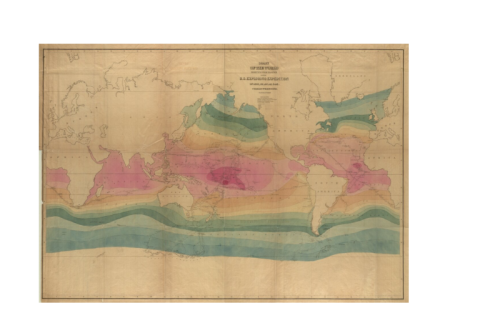
The Wilkes Expedition
Discover how The Wilkes Expedition, or United States Exploring Expedition (The Ex. Ex) gave rise to the creation of the Smithsonian Institution in Washington, DC.
resources.newamericanhistory.org
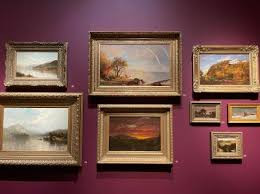
Hudson River School • New American History
At New American History, we’re committed to helping students see how current events take their shape from history. Our tools and resources are free and freely available to all educators, intended to uncover new ways to teach the past in light of the present.
resources.newamericanhistory.org
Check back here for more American Visions themed Bunk Collections:
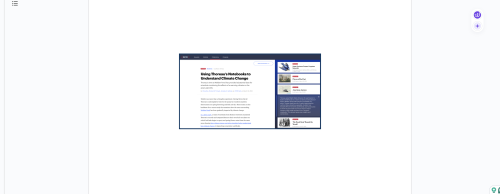
American Visions: How Early Environmentalists in the New Nation Predicted Earth Day
The first voices in American environmental thought emerged in the first half of the 19th century. Susan Fenimore Cooper and George Perkins Marsh wrote with love of the American landscape, warned of its spoliation, and recommended changes farmers could make to slow the destruction of woodlands and the warming of the climate. Thoreau would surely be pleased — and surprised — to see Walden, his book of quiet adventure, barely acknowledged when it was published in 1855, radiate such an influence around the world. For more on these and other influencers of the era, visit American Visions: https://visions.newamericanhistory.org
www.bunkhistory.org